
Why Is Alex Mashinsky Challenging His Sentence?
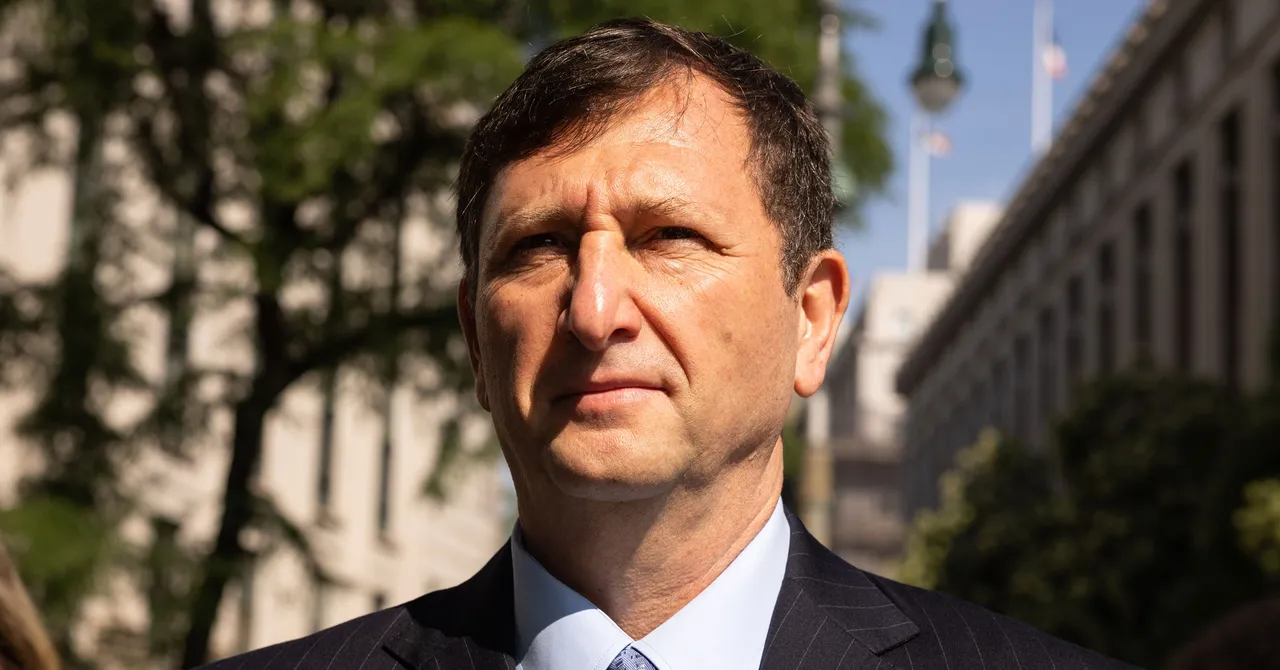
Alex Mashinsky, the former chief executive of collapsed crypto lender Celsius, has asked a New York court to vacate his 12-year sentence for fraud and market manipulation, months after he was sentenced in one of the largest criminal cases tied to the 2022 crypto credit collapse.
In a Tuesday filing in the U.S. District Court for the Southern District of New York, Mashinsky moved to vacate the 144-month sentence imposed by Judge John Koeltl in May 2025. He filed the motion without additional counsel after previously saying he would represent himself in the case.
The filing does not erase Mashinsky’s guilty plea. He previously pleaded guilty to commodities fraud and securities fraud tied to “manipulative and deceptive devices.” His new motion instead argues that the conviction and sentence should be revisited because of ineffective counsel and “fruit of [the] poisinous [sic] tree,” a legal doctrine used when evidence is alleged to have been tainted by government misconduct.
“I did not discharge my counsel at this time but they stopped communication with me so I had no choice but to file my reply directly with the court,” Mashinsky said in the filing.
What Claims Did Mashinsky Make In Court?
Mashinsky attached documents to the motion that attempt to shift part of the blame for Celsius’ collapse and the trading activity around its CEL token. He claimed former FTX chief executive Sam Bankman-Fried intended to “destroy Celsius,” arguing that Bankman-Fried was responsible for much of the alleged market manipulation involving CEL on the crypto exchange.
He also asked the judge to reject any request from the FTX trust and submitted text messages with Celsius’ former chief revenue officer, Roni Cohen-Pavon. Mashinsky claimed Cohen-Pavon had attempted a “hostile takeover” of Celsius.
The claims are part of Mashinsky’s effort to reopen questions around responsibility for the events that preceded Celsius’ bankruptcy. But the legal threshold for vacating a federal sentence is high, especially after a guilty plea. Courts typically require more than disputed blame or post-sentencing allegations; defendants must show a legal defect serious enough to undermine the conviction, plea, or sentence.
For investors and creditors, the motion is another chapter in the legal fallout from Celsius rather than a direct path toward asset recovery. The company’s collapse remains tied to broader questions about crypto lending, token incentives, customer disclosures, and executive control during the 2022 market downturn.
Investor Takeaway
Mashinsky’s motion keeps Celsius in the legal spotlight, but it does not change the core market lesson from the case: crypto lending platforms that mix yield products, native tokens, and weak disclosures can create legal and balance sheet risks that survive long after bankruptcy.
How Did The Celsius Case Reach This Point?
Celsius filed for bankruptcy in 2022 after a severe market downturn exposed stress across crypto lenders, exchanges, and yield platforms. The collapse came during the same cycle that brought down several major crypto companies and left customers facing long recovery processes.
U.S. authorities indicted Mashinsky and Cohen-Pavon in July 2023 on fraud and market manipulation charges. Both later pleaded guilty. Prosecutors accused Celsius executives of misleading customers and manipulating the market for CEL, the platform’s native token.
Cohen-Pavon pleaded guilty in September 2023 and was later sentenced to time served. Prosecutors cited his “substantial assistance” to the government, including his readiness to testify against Mashinsky. His sentencing came after the court closed the criminal cases against the Celsius executives.
The contrast between the two outcomes is central to Mashinsky’s latest challenge. Cohen-Pavon avoided a longer prison term after cooperating, while Mashinsky received a 12-year sentence and substantial financial penalties. His new filing seeks to reopen the case after that sentencing gap became final.
What Financial Penalties Still Stand?
Mashinsky has already been ordered to pay $48 million as part of forfeiture in his criminal case. He also agreed to pay $10 million under a settlement with the U.S. Federal Trade Commission, tied to a mostly suspended $4.72 billion monetary judgment.
Cohen-Pavon, who received time served, agreed to pay more than $1 million and a $40,000 fine.
The court may still consider Mashinsky’s motion, but the filing faces a difficult path. His guilty plea, the earlier sentencing record, and the completed financial settlements all weigh heavily against a quick reversal. The judge would need to find a serious procedural or constitutional problem before granting meaningful relief.
Mashinsky’s attempt to vacate his sentence extends that process, but it does not remove the broader regulatory message. Crypto executives operating lending, staking, or yield products remain exposed when customer funds, platform tokens, and public disclosures collide during a market downturn.