
When beef prices climb, a restaurant like Chili’s or Applebee’s can advertise chicken specials and find ways to entice customers to order more affordable proteins.
But when a chain focuses on one specific protein as part of its brand identity, its options become limited. Buffalo Wild Wings advertises boneless wing specials when bone-in prices rise, and WingStop, despite its name, sold chicken thighs in 2021 when wing prices skyrocketed, according to CNBC.
Still, the more specific your offering, the harder it is to pivot. That’s what doomed a number of Texas BBQ restaurants recently, as the price of beef has climbed, TheStreet reported.
When customers expect brisket, they may not want pulled pork, and when they’re going to a seafood chain, it’s hard to sell them beef or chicken. This problem factored into Red Lobster’s Chapter 11 bankruptcy, impacted Bahama Breeze, which was closed completely by parent company Darden Restaurants, and led to the Joe’s Crab Shack downsizing.
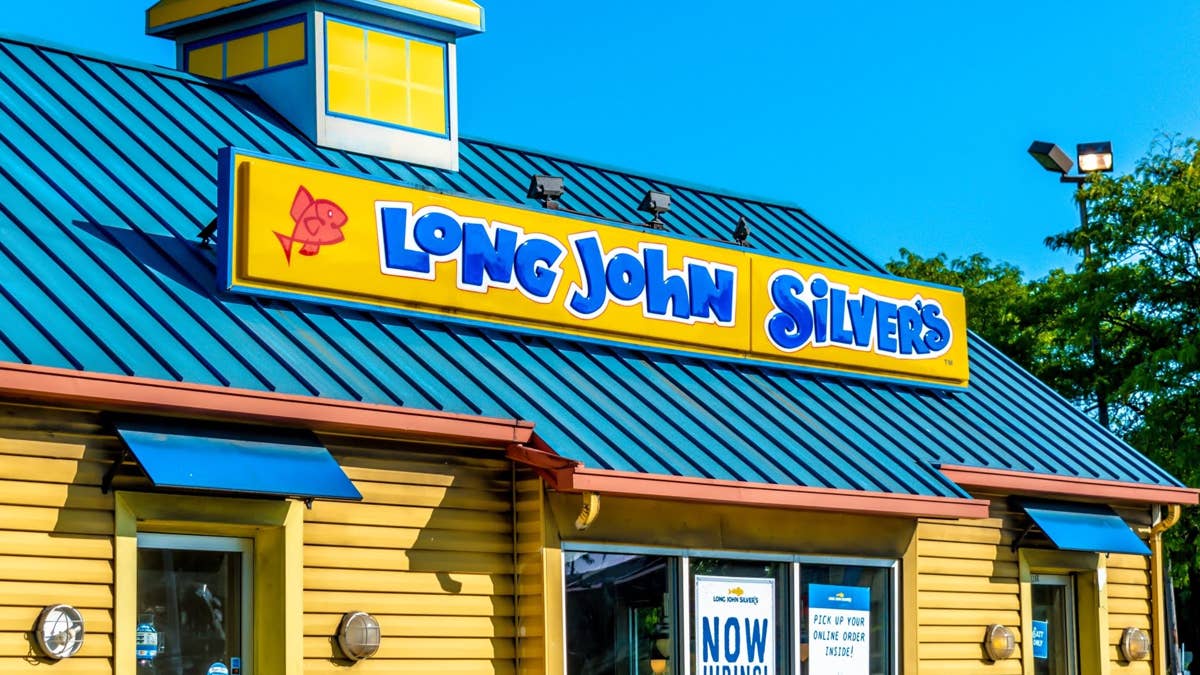
Long John Silver’s keeps shrinking
Long John Silver’s has long been one of the most successful seafood-based fast-food chains in the United States by sheer store count. Captain D’s, a rival chain, may have surpassed it with about 530 restaurants, according to documents published on Franchise Depth.
At its peak, Long John Silver’s had 1,081 locations, and that number may be below 500 now. The seafood fast-food restaurant chain, launched in Lexington, Ky., in 1969, closed another 30 locations in 2025, according to Undercurrent News, which pulled the information from the chain’s franchise disclosure documents (FDD).
The store locator page on Long John Silver’s website shows 494 remaining locations.
Long John Silver’s menu features fried Alaskan pollock, shrimp, and chicken. It also offers grilled salmon and shrimp options.
Seafood chains have struggled
Affordable seafood has been a challenge for restaurants. Red Lobster fell into bankruptcy partly because it offered an all-you-can-eat shrimp promotion.
Shrimp is an expensive protein, and people can eat a lot of it. That promotion, which was only one factor in Red Lobster’s eventual Chapter 11 bankruptcy filing, cost the company $11 million.
More Restaurants:
- 74-year-old fast food giant closes 207 U.S. restaurants
- Iconic burger chain closes 89-year-old restaurant for good
- 86-year-old nationwide ice cream chain closes 46 stores
The challenge with offering affordable seafood is that seafood just isn’t cheap. In theory, you can lure people in with shrimp, lobster, and crab leg deals, hoping to sell them high-margin drinks or desserts, but historically, this hasn’t worked all that well.
It’s also particularly ineffective for a fast-food chain with limited up-sell options.
Fear over prices, however, is real. I’ve avoided ordering from Red Lobster because its prices are higher than many of the other chains I can get via Uber Eats or DoorDash.
That’s anecdotal, but to someone who has covered the restaurant industry for over 30 years, it feels pronounced.
Shutterstock
Seafood is an expensive menu item
American consumers are worried about costs, and seafood is the most expensive protein.
“Consumer sentiment has been on a rollercoaster ride. By and large, consumers are concerned about the sustained level of inflation and [whether they] have a job tomorrow,” 210 Analytics Principal Anne-Marie Roerink said at the 2026 Global Seafood Market Conference, Seafood Source reported.
She also shared the average 2025 retail prices for each protein.
- Seafood: $10.52/lb
- Beef: $7.18/lb
- Pork: $3.27/lb
- Chicken: $3.17/lb
“Meat has moved from villain to vital because of the protein story,” she said.
Over half (57%) of Americans said they want to eat more seafood, according to Technomic’s 2025 State of the Food Industry and the Role of Seafood.
But some see price as a problem: A third of those surveyed see seafood as the least affordable protein.
For Long John Silver’s, however, seafood may just be part of the problem amid a challenging operating environment.
“The restaurant space has been tough. There’s a lot of competition, so it’s a very saturated market to begin with,” Black Box Intelligence Chief Insights Officer Victor Fernandez told Restaurant Dive.
“Nine percent of the full-service restaurants it tracked had lost 30% or more of their peak sales between 2019 and 2025. In limited service, that figure was just 4%. Among the most distressed units, 3% of full-service locations and 1% of limited-service locations had lost more than half their peak sales over that period,” according to Black Box.
“The softening economy that took hold in the second half of 2025 pushed many of those struggling units past the point of viability,” Fernandez said.
“That tips [them] over the edge,” he added.