















The conflict in the Middle East escalated on Tuesday after Iran launched fresh missile strikes against Israel and accused US President Donald Trump of spreading “fake news.”
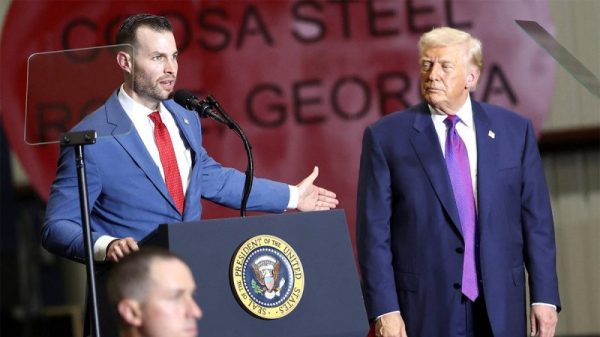
The escalation came just a day after Trump said Washington and Tehran had held “very good and productive” conversations aimed at a “complete and total resolution” of hostilities.
Those remarks briefly lifted market sentiment and raised expectations that some form of back-channel diplomacy might be underway.
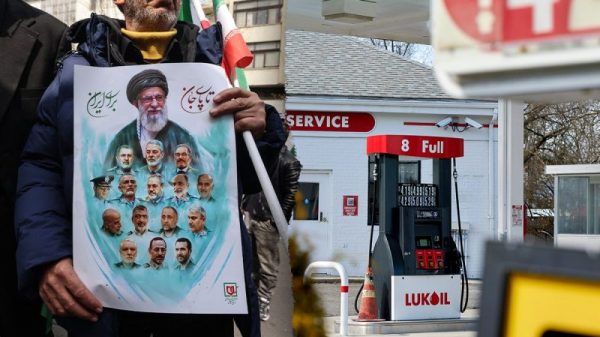
But Iran’s Parliamentary Speaker Mohammad Bagher Qalibaf swiftly rejected the claim, calling it an attempt to manipulate financial and oil markets while helping the US and Israel escape what he described as a “quagmire.”
Trump’s market-moving claim
The episode is already feeding volatility across global markets.
Oil prices rebounded sharply after Trump’s comments on Monday, as traders priced in the possibility of de-escalation.
Equity markets also reacted, with Wall Street posting strong gains and Asian stocks opening higher on Tuesday.
Trump said he had ordered a five-day pause in planned strikes on Iranian power plants and energy infrastructure, a move interpreted as a tactical signal that Washington was willing to test diplomacy before escalating further.
He added that special envoy Steve Witkoff and his son-in-law Jared Kushner had been in discussions with a senior Iranian official into Sunday night.
The shift in tone rippled through bond markets as well, with the US 10-year Treasury yield easing as risk appetite improved and safe-haven demand moderated.
Tehran’s denial, missiles intact
Iran’s response, however, was direct and forceful.
Qalibaf stated that no negotiations had taken place and accused Washington of pushing “fake news” to influence markets and shape perceptions of the conflict.
The denial was not just rhetorical.
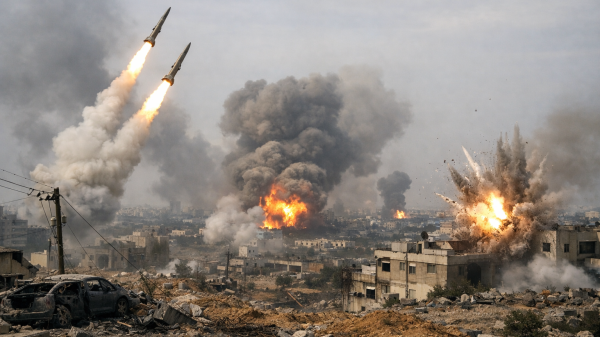
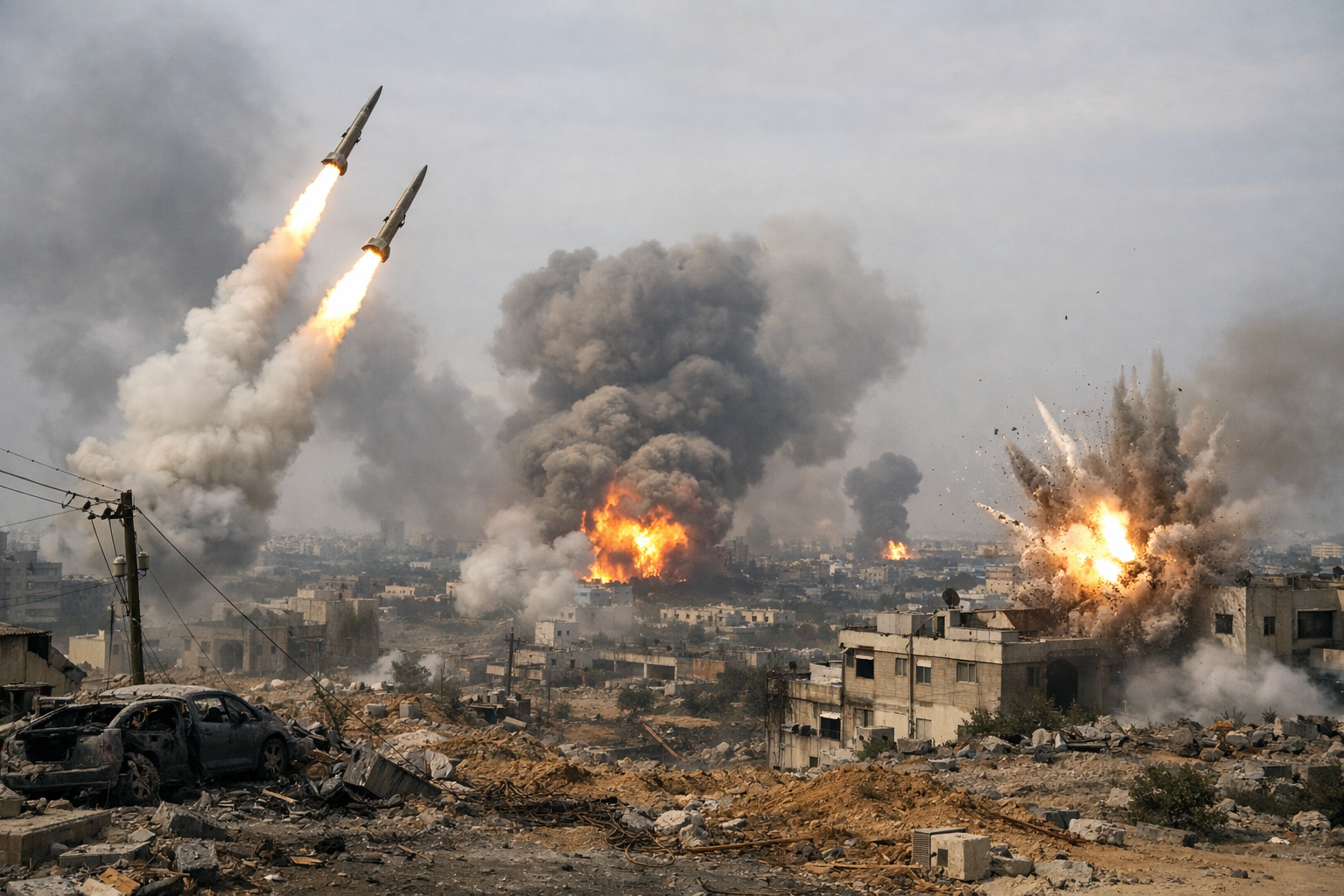
Iran launched multiple waves of missiles toward Israel on Tuesday, triggering air raid sirens in major population centers including Tel Aviv.
The strikes caused damage in parts of northern Israel, underscoring the continued intensity of the conflict.
The escalation serves as a clear signal that, despite diplomatic messaging from Washington, Tehran was not stepping back militarily.
Will Trump make a deal with Iran?
Tuesday’s developments are likely to worsen investor sentiment, reinforcing the sense that geopolitical risk remains elevated and unpredictable.
At the same time, the episode highlights that the idea of a potential deal has not been ruled out.
Trump reiterated that the United States is “very intent on making a deal with Iran,” suggesting at least a willingness to pursue negotiations alongside military pressure.
Whether this reflects a genuine diplomatic opening, a strategic pause, or an attempt to guide market expectations remains unclear.
For now, markets are caught between two competing forces: signals of diplomacy and evidence of escalation with oil prices, equities, and safe-haven assets reacting to each new headline.
Until rhetoric and actions begin to align, the defining feature of this phase of the conflict will remain the widening gap between what is being said and what is happening on the ground.
The post Iran calls Trump’s talks claim ‘fake news’ as missiles hit Israel appeared first on Invezz