















PayPal reported a weaker-than-expected fourth quarter and issued a subdued profit forecast for 2026, underscoring mounting pressure from slowing consumer spending and intensifying competition in digital payments.
The company said it expects full-year adjusted profit to decline in the low-single digit percentage to increase slightly, far below Wall Street expectations of roughly 8% growth, according to LSEG data.
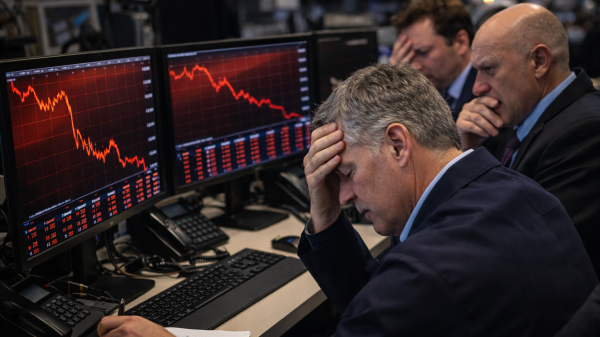
The outlook, combined with an earnings miss, triggered a more than 15% drop in PayPal’s share price in premarket trading on Tuesday.
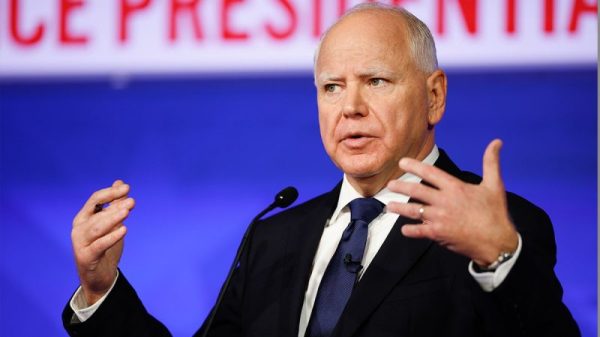
PayPal also announced a leadership change, naming Enrique Lores as chief executive officer from March 1, succeeding Alex Chriss.
Lores joins PayPal after more than six years as President and CEO of HP Inc.
“While some progress has been made in a number of areas over the last two years, the pace of change and execution was not in line with the board’s expectations,” the company said in a release.
Holiday quarter fails to deliver expected boost
For the three months ended December 31, PayPal reported revenue of $8.68 billion, below analysts’ expectations of $8.80 billion.
Adjusted profit came in at $1.23 per share, missing estimates of $1.28.
Total payment volume rose 6% on an FX-neutral basis to $475.1 billion, but growth in the company’s branded checkout business slowed sharply to 1%, compared with 6% a year earlier.
PayPal said the slowdown reflected weaker US retail demand and international headwinds.
The muted performance stood out in a quarter typically marked by strong consumer spending on travel, gifts, and seasonal promotions, highlighting broader shifts in household spending patterns.
Consumer pressure weighs on PayPal’s core business
Analysts say PayPal’s customer profile makes it particularly vulnerable to changes in consumer sentiment.
“PayPal’s customer base skews toward middle-to-lower income levels,” Susquehanna analyst James Friedman said in a note, adding that the company is more exposed to the pull-back in discretionary spending seen in 2025.
Investors have also been wary of growing competition from Big Tech companies such as Apple and Google, which have expanded aggressively into digital payments.
Despite PayPal’s position as a long-established market leader, fears of market share erosion have weighed on the stock for years.
Low growth in branded checkout adds to drag
Branded checkout, one of PayPal’s highest-margin businesses, remains a key metric for investors tracking the company’s competitive strength.
PayPal said on Tuesday that payment volume in its branded checkout business grew just 1% in the fourth quarter on a currency-adjusted basis, sharply lower than the 8% growth recorded in both the second and third quarters.
Branded checkout, which includes products such as the core PayPal checkout button, is typically more profitable than the company’s unbranded offerings, making its performance a key metric closely watched by investors.
PayPal has been trying to diversify revenue streams to reduce dependence on branded checkout.
Alex Chriss has focused on “profitable growth” while streamlining costs associated with unbranded processing.
As part of that strategy, PayPal has been expanding its debit card offering and working to improve Venmo’s monetisation.
Venmo’s total payment volume growth rose three percentage points year-on-year to 13% in the fourth quarter.
The company is also increasing investment in areas such as artificial intelligence-driven shopping tools, buy now, pay later services, and enhancements to branded checkout.
However, analysts warn that higher spending could put additional pressure on margins in the near term.
Brokerage views on PayPal remain mixed. According to LSEG data, 15 of 44 brokerages rate the stock “buy” or higher, 24 recommend “hold,” and five have a “sell” rating or lower, with a median price target of $69.
The post PayPal shares slide 15% on forecast and earnings; company announces new CEO appeared first on Invezz