











Capital One stock (NYSE: COF) tumbled nearly 10% in pre-market trading on Monday after President Donald Trump called for a one-year cap on credit card interest rates at 10%.
The proposal sent shock waves through the banking sector and immediately triggered alarms about lending profitability and consumer credit access.
The announcement, made without implementation details, set off one of the most volatile market reactions to a policy proposal.
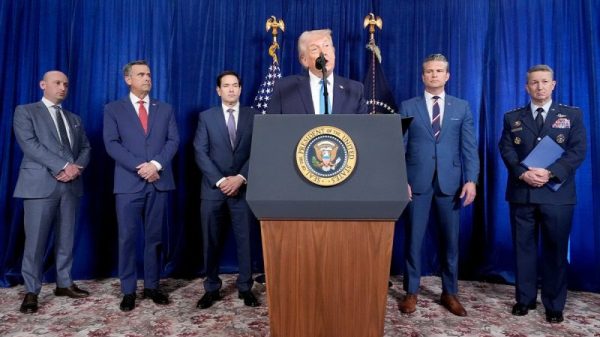
Trump’s statement was unambiguous:
Effective January 20, 2026, I, as President of the United States, am calling for a one-year cap on Credit Card Interest Rates of 10%.
He added that Americans should no longer be “ripped off” by card companies charging rates between 20 to 30%.
Yet the president offered no clarity on enforcement, whether companies would comply voluntarily, through executive order, or through congressional legislation.
Capital One stock leads banking selloff
The market hit was swift and brutal. Capital One’s stock fell roughly 9 to 10% in pre-market action on Monday.
But the damage extended well beyond one card issuer.
Synchrony Financial and Bread Financial tumbled between 8 and 11%, while American Express dropped around 4%.
Even payment processors felt the sting: Visa and Mastercard each declined roughly 1.5 to 2.5%.
Broader banking indices suffered collateral damage.
JPMorgan Chase fell 2.8 to 3.2%, Citigroup declined 3.6 to 4.1%, and Bank of America dropped 2.5 to 2.6% in early trading.
The Dow Jones futures slid over 300 points, reflecting investor anxiety about credit card revenue, one of the most profitable segments in American banking.
Traders quickly priced in a material hit to card issuers’ net interest margins, the spread between what banks earn on credit and what they pay depositors.
For companies like Capital One, which earns substantial revenue from high-margin consumer lending to riskier borrowers, the proposal raised existential questions about profitability.
Joshua Mahony, Chief Market Analyst at Scope Markets, told Invezz:
The President announced that he would place a one-year cap that would limit credit card interest rates to 10%, we have seen fresh signs that the President wants to prioritise the individual over US businesses this year.
“For US stocks, this serves as yet another reminder that investing in equities under Trump will be a bumpy road given the constant shifts in the corporate landscape,” Mahony added.
Trump’s credit card cap: The legislative reality
Crucially, analysts stressed that Trump lacks the unilateral authority to impose an interest rate cap.
Any binding limit would require congressional approval, a significant barrier given the banking industry’s lobbying power and slim Republican margins in both chambers.
An analyst at Jefferies wrote:
There is no executive authority to implement this, and we see this as likely dead on arrival to Congress or the Senate.
Capital One is set to report fourth-quarter earnings on January 22, when management will likely address the proposal’s impact on guidance.
Meanwhile, investors and industry watchers are watching Capitol Hill for early signals from House and Senate banking committee chairs.
The January 20 effective date that Trump proposed offers virtually no implementation window, underscoring that this proposal faces a long political gauntlet before becoming reality.
The post Capital One stock crashes 10% after Trump unveils shock credit card cap appeared first on Invezz